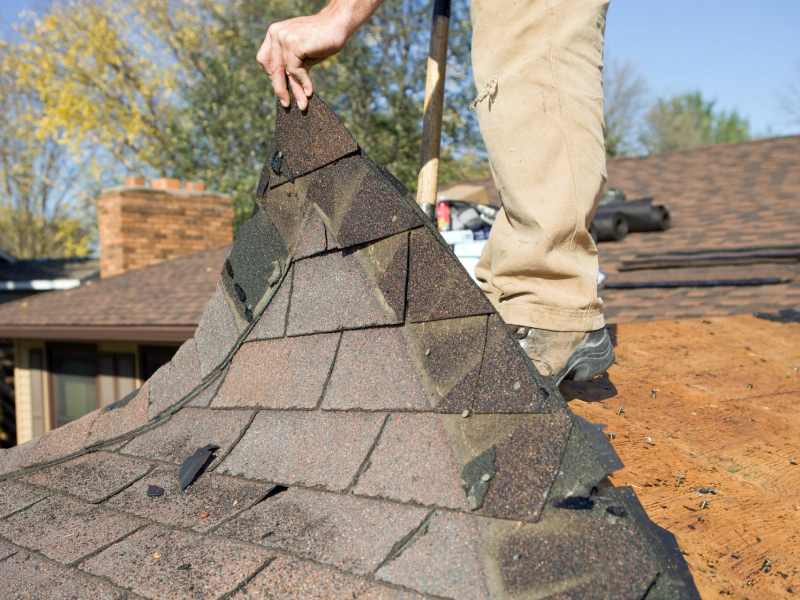
Why a Storm Damaged Roof Should Never Be Ignored
Your roof protects everything inside your home. When a storm weakens it, even slightly, the risk increases fast.
Here is what can happen:
- Water leaks into ceilings and walls
- Mold begins to form in hidden areas
- Wood framing starts to weaken
- Energy efficiency drops
If you are wondering what is considered storm damage to roof systems, the answer includes any weather-related impact, lifting, or water entry.
Even minor damage matters. A storm damaged roof does not fix itself.
Common Types of Storm Damaged Roof Issues
Different storms cause different problems. Knowing what to look for helps you act early.
Wind Damage
Strong winds can lift shingles or tear them off completely.
Watch for:
- Missing shingles
- Curled edges
- Loose roofing materials
Wind often weakens surrounding shingles too, not just the ones that fall off.
Heavy Rain Damage
Rain finds weak spots quickly. Once water gets in, damage spreads.
Signs include:
- Ceiling stains
- Damp attic insulation
- Dripping water
This is one of the most common forms of a storm damaged roof.
Impact Damage from Debris
Branches and debris can strike your roof during a storm.
Look for:
- Cracked shingles
- Dents or bruising
- Granule loss
These signs may seem small, but they reduce your roof’s lifespan.
Flashing and Seal Damage
Flashing protects key areas like vents and chimneys. Storms can loosen or damage it.
Check for:
- Gaps around roof penetrations
- Bent or lifted flashing
- Rust or wear
These areas are common leak points.
How to Tell If Your Roof Has Storm Damage
You do not need to climb on your roof to start checking. A careful inspection from the ground can reveal a lot.
Here is how to tell if your roof has storm damage:
Walk Around Your Property
Look for anything out of place.
- Shingles on the ground
- Debris buildup
- Uneven roof lines
Check Your Gutters
Your gutters often collect signs of damage.
Watch for:
- Shingle granules
- Pieces of roofing material
- Blockages
Granules look like rough sand and signal shingle wear.
Inspect Inside Your Home
Look at ceilings and attic spaces.
Signs include:
- Water stains
- Musty odors
- Peeling paint
These are strong indicators of a storm damaged roof.
How to Check for Roof Damage After a Storm Safely
Safety always comes first. Avoid climbing onto your roof.
Follow these steps:
- Inspect from the ground using binoculars
- Take photos of visible damage
- Check your attic for leaks
- Write down anything unusual
If you see anything concerning, schedule a professional inspection through our roof inspection services.
A trained eye can catch hidden issues that are easy to miss.
What Is Considered Storm Damage to Roof Systems?
Many homeowners ask this after a major storm.
Storm damage includes:
- Missing or broken shingles
- Dented or cracked materials
- Water intrusion
- Flashing failure
- Structural weakening
A proper roof storm damage assessment helps confirm the full extent of the problem.
The Importance of a Roof Storm Damage Assessment
A professional inspection goes beyond what you can see from the ground.
It includes:
- Structural checks
- Material condition review
- Moisture detection
- Ventilation inspection
This process confirms whether your roof has hidden issues.
It also helps with insurance claims. Proper documentation matters.
If repairs are needed, our storm damage roof repair solutions address both surface and structural issues.
Early Signs That Often Get Overlooked
Some signs are easy to ignore, but they often point to deeper problems.
Watch for:
- Slight shingle discoloration
- Small leaks during rain
- Rising energy bills
- Loose roof components
These are early warnings of a storm damaged roof.
How to Protect Your Roof from Storm Damage
You cannot control the weather, but you can prepare your home.
Here is how to protect your roof from storm damage:
Schedule Routine Maintenance
Regular upkeep helps catch issues early. Our roof maintenance services help extend your roof’s life.
Keep Gutters Clear
Clogged gutters cause water to back up.
Installing seamless gutter systems helps water flow away from your home.
Trim Trees Around Your Home
Branches can fall during storms and cause serious damage.
Improve Ventilation
Proper airflow protects your roof from inside damage. Our attic ventilation upgrades help maintain system performance.
Upgrade Your Roofing System
Older roofs are more vulnerable.
If your roof is aging, consider roof replacement services with long-term warranty options.
When to Call a Professional
Some signs require immediate attention.
Call for help if you notice:
- Active leaks
- Missing shingles
- Sagging areas
- Visible storm impact
For urgent situations, our emergency roof repair services are available.
Acting quickly reduces damage and cost.
Why Storm Damage Is Common in Santa Rosa
Santa Rosa homes face unique conditions.
- Seasonal heavy rain
- Strong winds
- Tree-lined neighborhoods
These factors increase the risk of a storm damaged roof.
Local knowledge helps identify and fix issues the right way.
Long-Term Effects of Ignoring Storm Damage
Delaying repairs leads to bigger problems.
Over time, you may face:
- Structural damage
- Interior repairs
- Higher costs
- Reduced home value
A small fix now can prevent a full replacement later.
Final Thoughts
A storm damaged roof can hide serious issues beneath the surface. That is why knowing how to tell if your roof has storm damage and understanding how to check for roof damage after a storm is so important.
Stay alert after severe weather. Look for the warning signs. Take action early.
If you suspect a storm damaged roof, do not wait. A professional roof storm damage assessment gives you clear answers and helps protect your home for the long term.
Doughty Enterprises has served Santa Rosa since 1979. We are a family-run team focused on doing the job right. We handle everything from inspections to structural repairs, not just surface fixes. As certified installers with GAF and Malarkey, we offer 50-year warranty systems that many roofing companies cannot provide. If you are dealing with a storm damaged roof, call (707) 483-7906 to schedule an inspection and get dependable service you can count on.